How to Plant Wild Lettuce in Nigeria
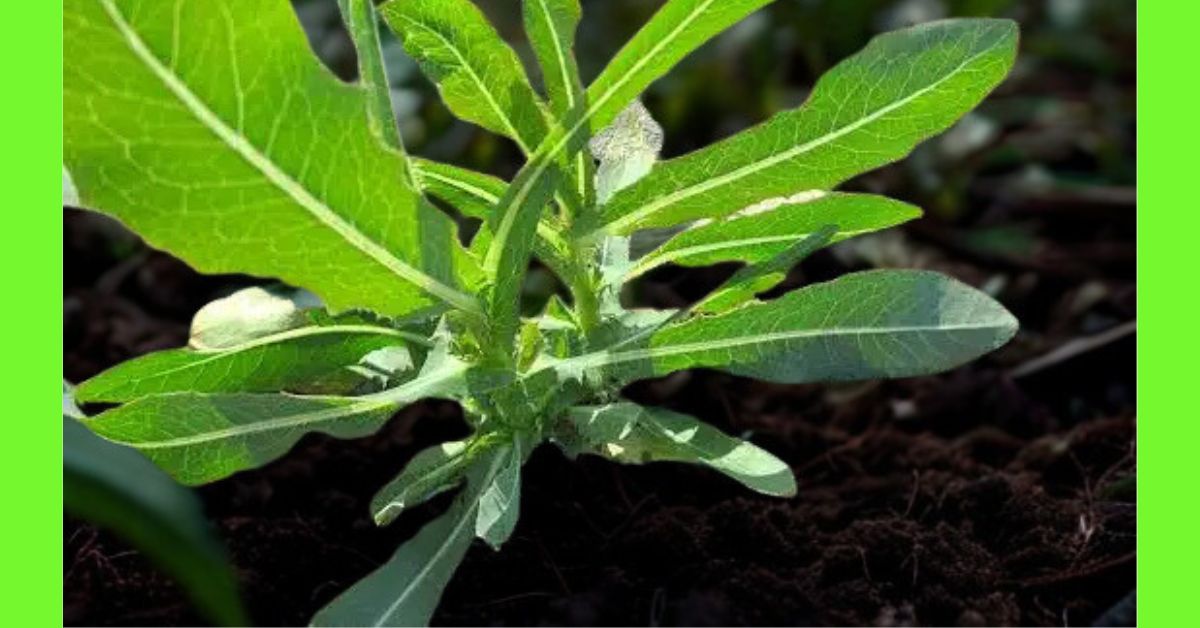
Wild Lettuce (Lactuca virosa) is a tall, leafy biennial plant belonging to the daisy family (Asteraceae).
Often called “opium lettuce,” it is not related to narcotics but is valued for its mild sedative and medicinal properties.
When cut, the plant exudes a milky latex known as “lactucarium,” traditionally used as a natural remedy for pain, insomnia, cough, and anxiety.

In Nigeria, Wild Lettuce is less common than cultivated lettuce, but it is gaining recognition among herbalists and natural medicine practitioners who value its therapeutic uses.
Beyond medicine, Wild Lettuce also improves biodiversity in gardens and adds ornamental greenery to the environment.
Description of the Plant
Growth Habit:
Erect biennial herb, 1–2 meters tall when mature.
Forms a basal rosette of leaves in the first year, then shoots a tall flowering stalk in the second year.
Stems:
Thick, hollow, and greenish-purple, exuding milky latex (latex is bitter and medicinal).
The surface may have small prickly hairs, especially on the lower part.
Leaves:
- Alternate arrangement along the stem
- Deep green, lance-shaped and may have toothed or lobed edges
- Leaf midrib may have a spiny texture on the undersides
- Often held in a vertical position (phototropic trait)
Flowers:
Small pale yellow daisy-like flowers
- Arranged in branched clusters at the top of the stem
- Typical characteristics of the Asteraceae family
- Flowering usually occurs in late summer to early autumn
Fruits/Seeds:
Dry fruits (achenes) with a pappus — a tuft of soft hairs that helps wind dispersal (like dandelion).
Root:
Long taproot allows for strong anchorage and drought tolerance.
Planting Season for Wild Lettuce in Nigeria
Wild Lettuce thrives in temperate climates but can also adapt well to tropical conditions if planted at the right time.
In Nigeria, the best planting season is during the early rainy season, between March and May, when the soil has adequate moisture and temperatures are favourable for germination.
Because the plant requires well-drained soil and cannot withstand prolonged flooding, planting during the peak rainy season should be avoided.
Farmers with irrigation can cultivate Wild Lettuce throughout the year, but in rain-fed systems, timing the sowing with the early rains ensures strong establishment and healthy growth.
Planting the Wild Lettuce
Step 1: Choose a Location
Select a sunny location, as Wild Lettuce requires full sunlight for optimal growth.
A minimum of 6–8 hours of sunlight daily is ideal.
The soil should be fertile, well-drained, and slightly sandy or loamy.
Avoid clay-heavy soils that retain water, as this may lead to root rot.
If planting in gardens or farms, choose an open field that allows free air circulation and minimises disease risk.
Step 2: Land Clearing and Preparation
Clear the site of weeds, grasses, and debris.
Till or plough the soil to improve aeration and root penetration.
Raised beds or ridges are recommended in areas prone to heavy rainfall or waterlogging.
Incorporate organic manure, such as compost or poultry droppings, into the soil during preparation to enrich it with nutrients.
Ensure the soil is loose and well-textured, as lettuce seeds are small and require a fine seedbed for successful germination.
Step 3: Means of Propagation
Wild Lettuce is commonly propagated by seeds.
Unlike some other medicinal herbs that can be grown from cuttings, Wild Lettuce seeds provide the most reliable means of establishing the crop.
Seeds can be purchased from herbal shops or harvested from mature plants.
Once collected, seeds should be stored in a cool, dry place until planting.
Find agro suppliers on Floratalk Hub
Step 4: How to Plant Wild Lettuce from Seed
To plant Wild Lettuce, prepare shallow rows or seedbeds.
Because the seeds are very small, they should not be planted deeply.
Scatter the seeds lightly over the soil or sow them in shallow furrows about 1 cm deep.
Cover gently with fine soil to protect the seeds while still allowing light penetration, which aids germination.
Germination typically occurs within 7–14 days under favourable conditions.
If starting in nursery beds, transplant the seedlings after 4–6 weeks, ensuring they have at least 4–5 true leaves before relocation.
On the field, maintain a spacing of 30–45 cm between plants and 60 cm between rows to encourage healthy growth and reduce overcrowding.
Step 5: Watering
Consistent watering is crucial during the germination and seedling stages.
The soil should be kept moist but not waterlogged.
In Nigeria’s climate, watering 2–3 times weekly is usually sufficient during the rainy season, while dry-season cultivation may require more frequent irrigation.
Drip irrigation or light sprinkling is preferred to prevent soil compaction and seed displacement.
Once established, Wild Lettuce requires moderate watering but is more drought-tolerant than cultivated lettuce varieties.
Step 6: Apply Manure
Wild Lettuce benefits greatly from organic manure application.
Incorporate well-decomposed compost, poultry droppings, or cow dung into the soil before planting.
During growth, side-dress the plants with additional organic manure every 6–8 weeks to boost leaf production and medicinal potency.
Avoid excessive use of nitrogen-rich chemical fertilisers, as these may cause excessive leafiness at the expense of medicinal latex production.
Mulching with dry leaves or grass can also conserve soil moisture and suppress weed growth.
Maturity and Harvest
Wild Lettuce typically matures within 3–4 months after planting.
The leaves can be harvested once the plant is well established, but the main harvest is often timed when the plant begins to flower, as lactucarium (the medicinal latex) is at its peak then.
To harvest, cut the leaves or stems early in the morning when the sap content is highest.
For seed production, allow the plant to flower and produce seed heads, which resemble small dandelion tufts.
Harvest seeds when they turn brown and begin to scatter.
With proper care, one planting can provide leaves, stems, and seeds for both medicinal use and replanting.
Pests and Diseases
Though relatively hardy, Wild Lettuce is not immune to pests and diseases.
Common threats include:
- Aphids are small insects that suck plant sap, leading to stunted growth.
- Cutworms attack young seedlings at the base.
- Leaf miners cause small tunnels and blotches on leaves.
- Powdery mildew is a fungal infection that creates a white, powdery coating on leaves.
- Downy mildew and leaf spot are common in humid conditions, reducing leaf quality.
Pest and Disease Control
Managing pests and diseases in Wild Lettuce requires a combination of preventive and control measures:
- Cultural practices: Rotate crops to avoid disease buildup in the soil. Ensure proper spacing to improve airflow and reduce fungal infections.
- Organic control: Use neem oil, wood ash, or homemade herbal sprays (such as garlic or pepper extract) to control aphids and leaf miners.
- Mechanical control: Handpick visible insects and remove heavily infested leaves.
- Sanitation: Remove and destroy diseased plants to prevent spread. Keep the farm weed-free, as weeds can host pests.
- Biological control: Encourage natural predators like ladybugs, which feed on aphids.
By combining these strategies, farmers can maintain healthy Wild Lettuce crops without relying heavily on synthetic chemicals.
Wild Lettuce is a valuable medicinal plant that can be successfully cultivated in Nigeria with proper planning and care.
Its growth requires attention to soil quality, timing of planting, adequate watering, and organic manure application.
Though it faces some challenges from pests and diseases, sustainable control methods make its cultivation feasible and rewarding.
Beyond its therapeutic benefits, planting Wild Lettuce can provide farmers and herbal practitioners with an additional income stream while contributing to natural healthcare solutions.
By following the steps outlined above, Nigerian farmers and gardeners can establish thriving Wild Lettuce farms that support both traditional medicine and sustainable agriculture.
Hope this article was useful.