Using Local Waste Materials as Planters: Turning Trash into Garden Treasure
Across Nigeria, people love and value the joy and benefit of growing food, flowers, and herbs at home.
However, one challenge remains the cost of gardening materials.
Pots, planters, and containers can be surprisingly expensive, especially in urban areas.

But what if you could turn everyday household waste into beautiful, functional planters?
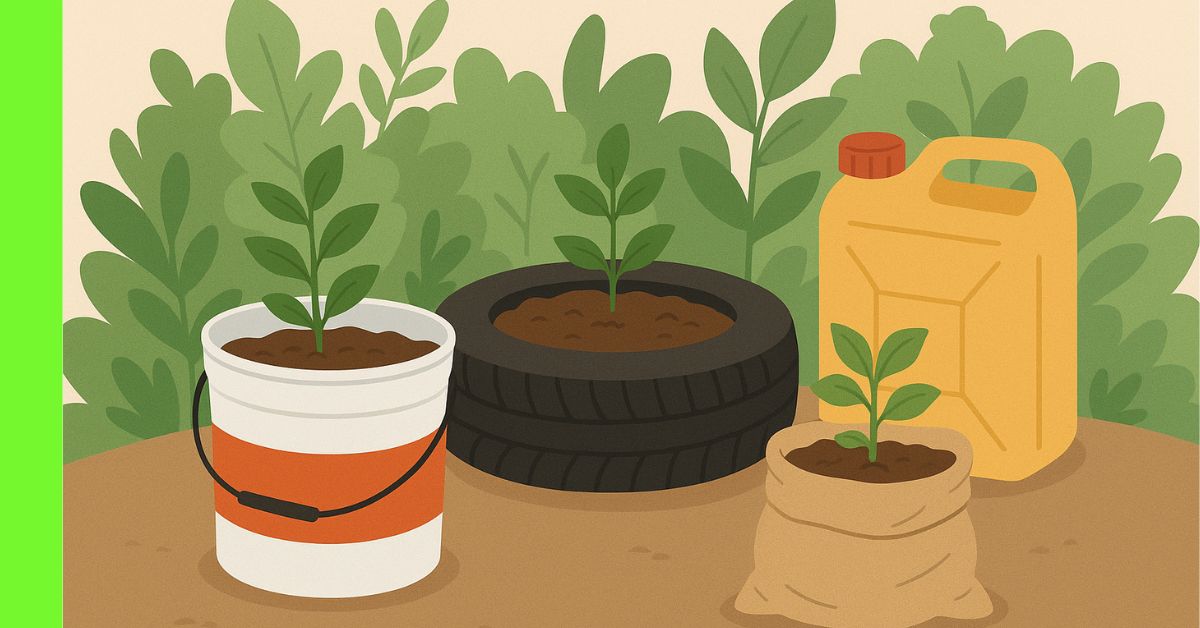
That’s the idea behind recycling planters, using local waste materials such as paint buckets, jerrycans, tyres, and bottles to create sustainable gardens.
This approach not only saves money but also helps to reduce pollution and promote creativity.
Why Recycling Matters for Gardens
We face increasing waste management challenges.
Plastic bottles, tyres, and old buckets often end up clogging drains or burning in open dumps, releasing harmful toxins.
By recycling these materials for gardening, you help to:
- Reduce plastic waste in the environment
- Save costs on buying new pots or planters
- Promote creativity in gardening
- Encourage community awareness of environmental protection
- Beautify surroundings while supporting sustainability
In essence, turning trash into planters is an eco-friendly solution that benefits both the gardener and the planet.
Best Local Waste Items for Planters
Almost anything that can hold soil and allow drainage can serve as a planter.
In Nigeria, several common waste materials are handy.
Let’s look at some of the best options you can easily find around your home or community.
Paint Buckets
Empty paint buckets are among the most practical recycled containers for gardening.
They are strong, deep, and readily available after home renovations or construction work.
How to prepare paint buckets for planting:
- Wash thoroughly to remove any paint residue.
- Drill or poke 3–5 drainage holes at the bottom.
- Line the base with a thin layer of stones or broken tiles.
- Fill with a well-draining soil mix (garden soil + compost + sand).
What to plant:
Paint buckets are perfect for vegetables like tomatoes, peppers, Garden eggs, and leafy greens.
You can also grow ornamentals like hibiscus or coleus for colourful decoration.
Plastic Bottles
When it comes to garden ideas with plastic bottles, the options are endless.
These bottles, available in different sizes, can be cut, hung, or stacked to make creative vertical gardens ideal for small spaces.
How to use plastic bottles:
- Cut in half to create mini planters for seedlings.
- Hang horizontally with twine to make a wall garden.
- Stack vertically on a pole or wall for herbs and small flowers.
Plants to grow:
Herbs such as curry leaf, scent leaf, and mint do well in small bottle planters.
You can also grow spring onions, lettuce or spinach for quick harvests.
This method is especially useful for balcony or compound gardens, helping people in cities like Port Harcourt, Lagos, or Abuja turn little spaces into green corners.
Tyres
Old vehicle tyres are one of the most durable and creative options for recycled planters.
They’re big, weather-resistant, and can hold large plants or shrubs.
Preparation steps:
- Clean thoroughly and ensure there’s no oil residue.
- Paint the outer surface with non-toxic paint to brighten it and reduce heat absorption.
- Fill with garden soil mixed with compost.
Uses:
Tyre planters work great for flowers, dwarf fruit trees, or decorative vegetables.
You can stack multiple tyres to create raised beds or use a single tyre for large ornamental plants.
Tip: Brightly painted tyres arranged in patterns can become a statement feature in school or community gardens.
Sacks
Sacks, whether rice sacks, cement bags, or woven polypropylene sacks, are affordable and easy to handle.
Many urban farmers in Nigeria already use them for container gardening because they’re flexible and well-aerated.
How to use sacks as planters:
- Choose strong sacks that can hold soil without tearing.
- Punch small holes at the bottom and sides for drainage.
- Fill halfway with soil and compost before planting.
Ideal crops:
Root vegetables such as potatoes, carrots, and ginger thrive in sack planters.
You can also grow yams, cucumbers, maize, okra, or green beans.
Sack gardening is especially popular in schools and small urban farms due to its low cost and mobility.
Safety Tips: Drainage, Soil Prep & Non-Toxic Coating
While recycling is excellent, it’s important to ensure your containers are safe for growing food.
- Drill Proper Drainage Holes: This prevents waterlogging and root rot. Every recycled planter needs small holes at the bottom to allow excess water to escape.
- Use Safe Materials: Avoid containers that have held chemicals or motor oil. Instead, use paint buckets or jerrycans that can be thoroughly washed.
- Soil Preparation: Mix equal parts of loamy soil, compost, and coarse sand for healthy root growth.
- Non-Toxic Coating: If painting tyres or plastic containers, use water-based, non-toxic paints. They are safer for the environment and your plants.
- Sun and Heat Management: Dark plastics absorb heat quickly. To prevent overheating, paint them light colours or place them in shaded areas.
Decorating Ideas for Recycled Planters
Recycled planters don’t have to look dull.
You can transform them into eye-catching features with simple decoration ideas:
- Paint and Patterns: Use leftover wall paint to create colourful stripes or floral patterns.
- Fabric Wraps: Wrap old Ankara fabric or jute around buckets for a Nigerian touch.
- Labelling: Paint or attach tags to name your plants, fun for school gardens and kids’ projects.
- Arrangement: Stack tyres or bottles creatively to make plant stands, tiers, or wall gardens.
A little creativity goes a long way in turning waste into art.
Step-by-Step: How to Make a Bottle Herb Garden
This simple DIY project shows how to grow herbs using recycled plastic bottles, perfect for balconies, fences, or small compounds.
Materials Needed:
- 5–10 used plastic bottles (1.5L or 2L)
- Knife or scissors
- Twine or wire
- Nail or hot pin (for drainage holes)
- Soil mix (loamy soil + compost)
- Herb seeds (curry leaf, scent leaf, or mint)
Steps:
- Cut Bottles: Slice the bottles horizontally, leaving the bottom part as a planting cup.
- Make Holes: Poke small holes at the base for drainage.
- Fill with Soil: Add soil mix up to three-quarters full.
- Plant Seeds: Sow a few herb seeds in each bottle. Water gently.
- Hang the Bottles: Use twine to hang them on a fence, balcony rail, or wall frame.
- Maintain: Water regularly and trim herbs as they grow.
In a few weeks, you’ll have a wall of green, fresh herbs, all from recycled waste.
Why Recycling Planters Builds a Greener Nigeria
Every reused container represents less waste in the environment.
Recycling planters in Nigeria is more than a gardening trend; it’s a movement toward cleaner cities, creative reuse, and community resilience.
When schools, NGOs, and individuals adopt recycled gardening, they teach children and communities valuable lessons about environmental responsibility and resourcefulness.
It shows that sustainability can start right at home, with a paint bucket, a plastic bottle, or an old tyre.
Conclusion: Growing Beauty from Waste
Gardening with recycled containers offers countless benefits:
- affordability,
- environmental protection,
- and personal satisfaction.
With a bit of creativity, anyone can transform everyday waste into a thriving garden that nourishes both body and mind.
Whether you live in Asaba, Lagos, or Kano, start looking around your home; you’ll find your next flowerpot waiting in the recycling pile.
Have you ever turned a plastic bottle, tyre, or bucket into a planter? What creative ideas do you have for recycling materials in your garden?