Urban Composting: How to Turn Food Waste into Soil
The Food Waste Problem in Cities
Every day, homes across Nigeria generate tonnes of food waste, from yam peels, fruit scraps, and vegetable remains to leftover meals that end up in bins.
In busy cities like Port Harcourt, Abuja, and Lagos, this waste clogs gutters, breeds flies, and releases unpleasant smells as it decomposes in the open.
Yet, what most people throw away could actually be turned into something valuable: nutrient-rich compost.

Composting is nature’s way of recycling.
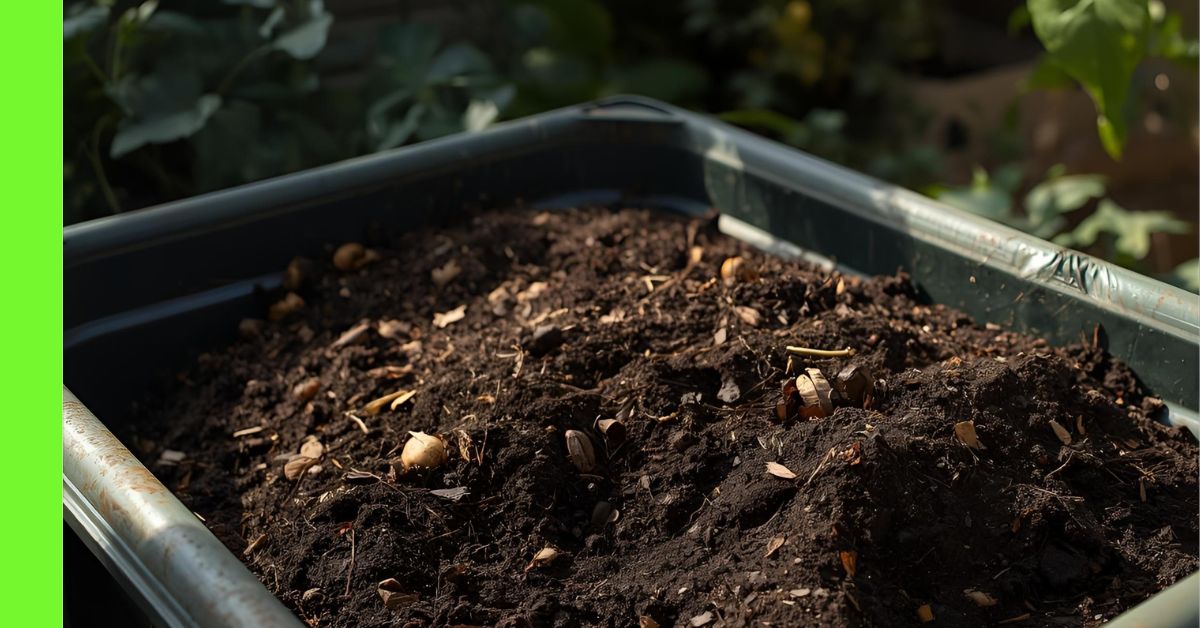
It turns everyday food scraps and garden waste into dark, crumbly soil that can feed plants.
For city residents who grow vegetables, herbs, or flowers in containers, composting offers a sustainable and affordable way to improve soil health right at home.
Why Urban Composting Matters
Urban composting isn’t just about gardening; it’s a small act with big environmental and economic benefits.
- Reduces waste: Instead of throwing organic waste into bins and landfills, composting recycles it into useful material.
- Improves soil: Compost adds nutrients and organic matter to poor soils, helping plants grow stronger.
- Saves money: It reduces the need to buy chemical fertilisers.
- Supports sustainability: Composting helps cut methane emissions from decomposing waste, contributing to a cleaner, greener Nigeria.
Imagine every apartment block or household diverting even half of its food scraps into compost; it would reduce municipal waste and make urban gardening more productive.
Composting Basics: How It Works
Composting is a simple natural process where microorganisms like bacteria and fungi break down organic waste into humus, a dark, earthy material that enriches the soil.
The process needs four main things:
- Green materials (wet items like fruit and vegetable scraps, grass clippings) provide nitrogen.
- Brown materials (dry leaves, sawdust, shredded paper, or cardboard) provide carbon.
- Air: helps microbes breathe and work faster.
- Moisture: keeps the mix damp, like a squeezed sponge.
When these elements are balanced, the materials heat up and gradually decompose into compost.
Simple Composting Techniques for City Homes
Even without a backyard, you can compost in small spaces using locally available materials. Here are easy methods for city homes:
1. Bucket Composting
- Reuse old paint buckets or large plastic containers.
- Drill small holes around the sides and bottom for air circulation and drainage.
- Layer your kitchen scraps and dry leaves.
- Stir or shake the contents weekly to add air.
- Keep it covered to reduce smell and flies.
After 6–8 weeks, the waste turns dark and crumbly, ready for your garden.
2. Sack Composting
- Use strong sacks (like rice or feed bags).
- Fill halfway with a mix of chopped waste and dry materials.
- Keep in a shaded area and sprinkle water occasionally.
- Turn every two weeks to speed decomposition.
Sack composting works well for balconies or tight spaces.
3. Pit Composting
- If you have small ground space, dig a pit about 2 feet deep.
- Add alternating layers of green and brown waste.
- Cover with soil after each addition to control odour.
- In 2–3 months, the compost will be ready.
This method suits compounds or school gardens.
What You Can Compost
Knowing what to add (and what to avoid) makes all the difference.
Compostable Items
- Fruit and vegetable peels (yams, bananas, oranges, etc.)
- Tea bags and coffee grounds
- Eggshells
- Dry leaves and small twigs
- Shredded paper or cardboard
- Sawdust (from untreated wood)
Avoid These
- Cooked or oily foods (attract pests)
- Meat, fish, and dairy
- Plastics or synthetic materials
- Diseased plants or pet waste
By sticking to natural, plant-based materials, your compost will stay clean and odour-free.
Step-by-Step: How to Make Compost at Home
Here’s a simple guide to start your own composting system in Nigeria:
- Choose a container:
Use an old paint bucket, jerrycan, or sack. Ensure it has holes for air and drainage. - Add base layer:
Start with dry materials (brown items) like leaves or shredded paper. - Add green materials:
Layer food scraps, peels, and garden waste. - Alternate layers:
Continue adding greens and browns until the container is nearly full. - Maintain moisture:
Sprinkle a little water if it’s too dry. Avoid soaking it. - Aerate regularly:
Stir or shake every week to allow oxygen flow. - Let it rest:
After 6–8 weeks, the mixture becomes dark brown with an earthy smell. - Harvest:
Sift or remove the finished compost and mix it into your garden soil.
Common Composting Problems and Solutions
Even the best compost setups can face challenges. Here’s how to fix them:
| Problem | Cause | Solution |
| Foul smell | Too much wet food waste, no air | Add dry leaves/paper, turn the mix weekly |
| Slow decomposition | Not enough greens or moisture | Add more fruit/vegetable waste, sprinkle water |
| Flies or ants | Food scraps exposed | Cover with dry materials or fine soil |
| Compost too dry | Too many browns or heat | Add water or fresh green waste |
Remember, composting is a living process. With small adjustments, it always works.
How to Use Compost in Your Garden
Once ready, your compost becomes a powerful natural fertiliser. Here’s how to use it effectively:
- For container gardens: Mix one part compost with two parts soil.
- As mulch: Spread compost around the base of plants to retain moisture.
- During planting: Add a handful of compost into each hole before planting vegetables or herbs.
- Liquid compost (compost tea): Soak compost in water for a few days, then use the liquid to water plants, a quick nutrient boost.
Your plants will grow greener, stronger, and more productive without chemical fertilisers.
Composting Safety and Hygiene
Because compost involves decaying materials, a few safety tips are important:
- Always wash your hands after handling compost.
- Keep bins covered to prevent rodents or flies.
- If composting indoors, use small amounts and drain excess water regularly.
- Avoid composting any toxic or synthetic materials like plastics or treated wood.
Clean, controlled composting keeps your home healthy and odour-free.
Community and School Composting Ideas
Urban composting doesn’t have to be limited to homes.
- Schools can teach pupils to compost leftover food and use it for school gardens.
- Neighbourhoods can set up shared compost bins near community gardens.
- Markets can collect fruit and vegetable waste for compost instead of dumping it.
These small initiatives can significantly reduce city waste while improving urban green spaces.
Conclusion: Waste to Wealth, Right at Home
Urban composting is a low-cost, eco-friendly solution to two major challenges: food waste and poor soil fertility.
With just a bucket, sack, or pit, anyone can turn kitchen waste into healthy soil for plants.
Instead of letting peels and scraps rot in bins, transform them into compost that feeds your tomatoes, peppers, or herbs.
It’s a simple, practical step towards sustainability, cleaner cities, and more productive home gardens.
Start today, your waste can grow tomorrow’s garden.
Hope this article is helpful.