Shade Loving Plants That Thrive in Nigeria Compounds
In many Nigerian homes, high fences, closely built houses, and tall trees often limit the amount of sunlight that reaches the ground.
While this helps keep compounds cool, it also makes it difficult for many sun-loving plants to grow well.
However, shade-loving plants can turn these dim spaces into lush, green corners filled with life.

Whether you’re interested in ornamentals or edible plants, there are plenty of options that thrive in low-light environments typical of Nigerian compounds.
The Challenge: Low Sunlight Due to Walls and Buildings
Modern Nigerian homes, especially in urban areas like Port Harcourt, Lagos, and Abuja, are often surrounded by tall walls or neighbouring buildings.
These structures block direct sunlight, creating partial or full shade throughout most of the day.
In such environments, regular crops or flowers like tomatoes, hibiscus may struggle to grow or bloom.
But this doesn’t mean your compound has to remain bare.
By selecting the right shade-tolerant species and managing moisture properly, you can transform dark corners into vibrant green pockets that add both beauty and freshness to your home.
See Also: How to Create a Balcony Garden in Nigerian Cities
How to Assess Shade Levels in Your Compound
Before choosing plants, it’s important to understand how much light your compound actually gets. Shade comes in different degrees:
- Full Shade: Areas that receive little or no direct sunlight, often the north-facing side of a house or under dense tree canopies.
- Partial Shade: Places that get some sunlight for a few hours, especially morning or late afternoon light.
- Dappled Shade: Spots where sunlight filters through trees or structures in broken patterns.
You can assess your shade level by observing the area at different times of day.
If direct sunlight lasts less than three hours, it’s considered partial shade; if there’s no direct sunlight at all, it’s full shade.
This helps determine which plants will thrive best in each zone.
Top Nigerian Shade Plants (Ornamental + Edible)
Nigerian climate supports a variety of plants that naturally grow in low-light or forested areas.
Many of these are easy to maintain and add both colour and function to your compound garden.
Spinach (Malabar Spinach)
Malabar spinach (Basella alba), is one of the best leafy vegetables for shaded areas.
It’s a climbing plant with thick, glossy leaves and grows well in partial shade with consistent watering.
It’s also very nutritious, rich in iron and vitamins, and makes a great addition to soups and stews.
Provide a small trellis or fence for support, and keep the soil moist but not soggy.
Turmeric and Ginger
Both turmeric (Curcuma longa) and ginger (Zingiber officinale) are natural understorey plants; they thrive in dappled or filtered sunlight, similar to forest floors.
Plant the rhizomes in loose, organic-rich soil and keep them evenly moist.
They prefer humidity, making them ideal for shaded corners near walls or under trees.
Besides their culinary and medicinal value, their lush green leaves can beautify your garden.
Cocoyam (Colocasia esculenta)
Cocoyam, also known as ede in Igbo, is not only a staple food crop but also a stunning ornamental plant in shaded compounds.
Its large, heart-shaped leaves add a lush tropical look, similar to elephant ears.
Cocoyam naturally grows under partial shade, especially near water sources or forest edges.
It prefers moist, loamy soil rich in organic matter.
Keep the soil consistently damp but not waterlogged.
Apart from providing edible corms and leaves (used in soups like Ofe ede), cocoyam enhances the beauty of shaded corners with its bold foliage.
Ugu (Fluted Pumpkin)
Ugu (Telfairia occidentalis) is one of Nigeria’s most popular vegetables, widely used in soups and stews.
While it usually prefers sunny conditions, it can adapt well to partial shade if the soil is fertile and receives good moisture.
In shaded compounds, train Ugu vines along fences or trellises to maximise space and allow better air circulation.
Its broad green leaves bring a vibrant look to shaded areas while providing a steady supply of nutritious greens.
For best results, use well-rotted manure and water regularly to keep the soil moist.
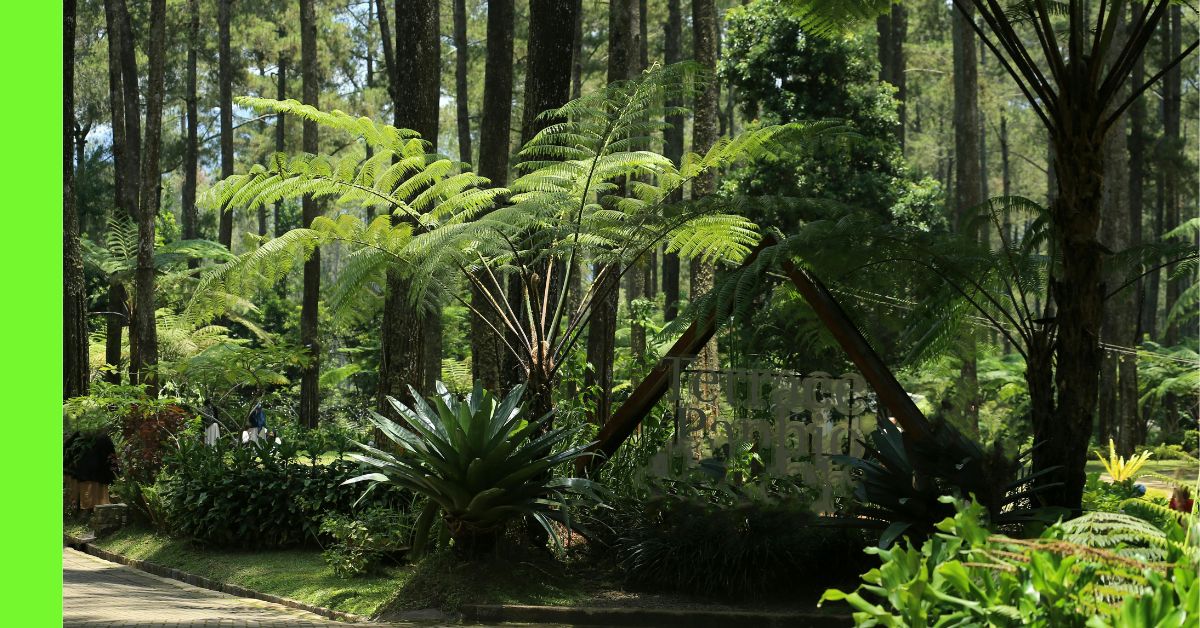
Ferns
Ferns are classic shade lovers.
Their lush, feathery fronds bring a tropical, forest-like feel to any compound corner.
They thrive in moist, well-drained soil and prefer indirect light.
Common varieties like Boston Fern (Nephrolepis exaltata) or Maidenhair Fern (Adiantum spp.) grow beautifully in hanging baskets or along shaded walls.
Keep the soil consistently moist, and mist the leaves occasionally during the dry season to prevent them from drying out.
Caladium (Angel Wings)
If you want colour in a dark corner, Caladium is one of the best choices.
Known for its vibrant, heart-shaped leaves in shades of green, red, pink, and white, Caladium thrives in filtered light or partial shade.
It grows well in rich, slightly moist soil and is perfect for container gardening.
Avoid direct afternoon sunlight, which can scorch its delicate leaves.
Caladium pairs well with ferns or hostas to create a visually appealing mix of textures.
Soil and Watering Guide for Shade Areas
Shade-loving plants have slightly different soil and watering needs compared to sun-loving species. Here are key tips:
- Soil Mix: Use loamy soil enriched with compost or leaf mould. Shaded areas often stay moist longer, so ensure good drainage to avoid root rot. Adding sand or coconut husk can improve aeration.
- Watering: Since shaded soil dries slowly, water less frequently but consistently. Check the top inch of soil before watering. Overwatering is one of the most common mistakes in low-light gardening.
- Mulching: Apply organic mulch (like dry leaves or grass clippings) around the base of plants to retain moisture and keep roots cool.
- Fertiliser: Feed occasionally with compost tea or slow-release organic fertiliser to replenish nutrients, as shaded plants may grow more slowly.
Landscaping Ideas for Dark Corners
Even the darkest compound can become inviting with creative landscaping. Here are ideas to bring life to those shadowy spots:
- Layering Plants: Combine tall plants like cocoyam or ginger at the back, medium-height plants like Caladium or ferns in the middle, and ground covers like Malabar spinach in front.
- Container Gardens: Use pots and planters to move plants easily between shaded and semi-sunny areas. Bright-colored pots can also add visual contrast.
- Wall Gardens: Mount ferns, Caladiums, or Ugu vines in vertical wall planters for a living green wall effect.
- Decorative Stones and Paths: Place white pebbles or paving stones around shaded beds to reflect light and keep the space bright.
- Lighting: Solar garden lights or lanterns can enhance shaded corners at night, highlighting plant textures and colours.
Conclusion
Shade doesn’t have to mean dull. With the right selection of shade-loving plants, like cocoyam, Ugu, Malabar spinach, and ginger, you can transform even the dimmest compound corners into lush green sanctuaries.
These plants not only adapt well to low-light conditions but also bring colour, freshness, and in some cases, edible value to your home.
By understanding your shade level, improving soil drainage, and using smart design ideas, your compound can stay cool, green, and full of life year-round, proof that even in the shadows, nature can still thrive beautifully.
Which part of your compound gets the least sunlight, and what plants have you successfully grown there?