
How to Start a School Garden: Steps & Tools
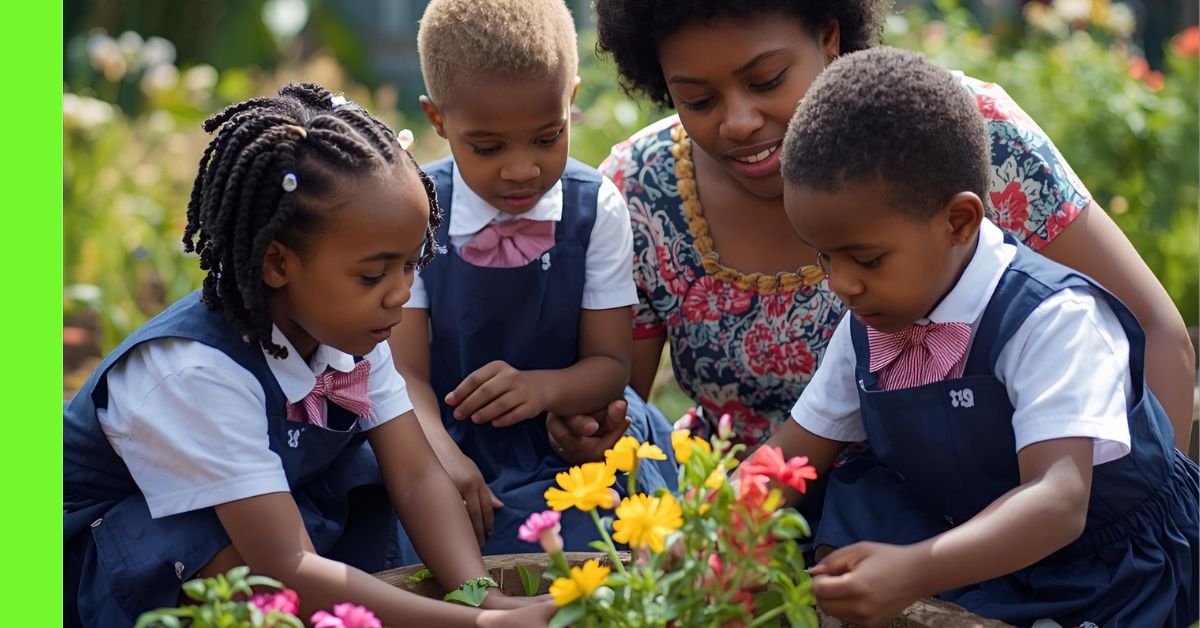
School gardens are becoming increasingly popular in Nigeria as educators, parents, and NGOs recognise the multiple benefits of involving children in gardening.
Beyond producing fresh food, school gardens provide practical lessons in science, nutrition, and environmental stewardship, while fostering teamwork and responsibility among students.
Whether you are a teacher, a parent, or part of a community organization, starting a school garden can be a rewarding project.

This guide will walk you through the essential steps, tools, and tips to create a thriving garden for students.
Why School Gardens Matter
School gardens offer numerous benefits that extend beyond growing vegetables and flowers.
- Nutrition and Food Security:
Students learn the importance of fresh, healthy food while enjoying the fruits of their labour. School gardens can supplement school meals with vegetables like spinach, okra, tomatoes, and leafy greens, helping combat malnutrition in local communities. - Hands-On Education:
Gardening teaches children valuable life skills in biology, ecology, and sustainability. Topics like soil science, plant life cycles, composting, and pollination can be demonstrated practically, making learning engaging and memorable. - Environmental Awareness:
Children develop a stronger connection to nature. They learn about conserving water, managing waste, and respecting plants and animals, instilling environmental responsibility from an early age.
Social and Emotional Development:
Gardening promotes teamwork, patience, and problem-solving. It encourages students to take ownership of tasks, manage time, and develop empathy as they nurture living things.
Step-by-Step Setup for a School Garden
Starting a school garden can be broken down into clear, manageable steps.
1. Planning and Goal Setting
Before digging the first hole, define the purpose of your garden. Ask yourself:
- Is the goal to supplement school meals, teach science, or create a community space?
- How many students will be involved, and what age groups?
- What crops are suitable for your climate and school schedule?
Create a simple garden plan showing garden beds, pathways, and water sources.
A clear plan helps allocate tasks efficiently and ensures that everyone knows their responsibilities.
2. Space Selection
Choosing the right location is crucial. Consider these factors:
- Sunlight: Most vegetables need at least 6 hours of direct sunlight daily. Observe the school grounds to find a sunny spot.
- Accessibility: Ensure the garden is easy for students to reach and monitor regularly.
- Safety: Avoid areas near busy roads, toxic chemicals, or steep slopes.
- Water Access: A nearby water source makes watering manageable.
If space is limited, raised beds, vertical gardens, or container gardens can provide alternatives while keeping plants organised and easy to maintain.
3. Soil Improvement
Healthy soil is the foundation of any garden. Soils often require enrichment to support productive growth.
- Testing the soil: Determine the soil type (sandy, clay, or loamy) and check pH if possible. Most vegetables thrive in slightly acidic to neutral soils (pH 6–7).
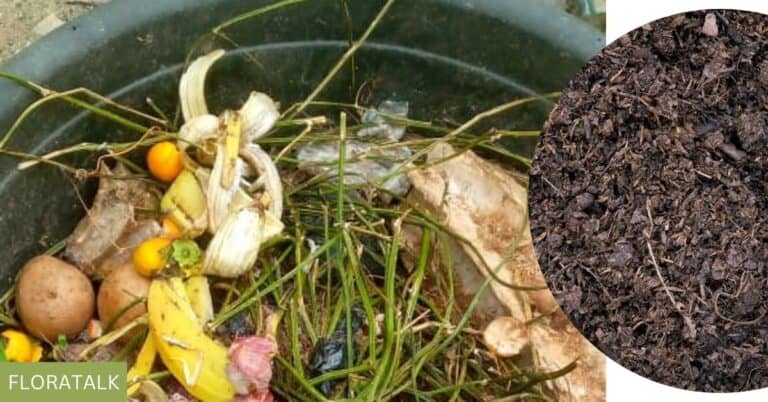
- Amending the soil: Add compost, decomposed plant matter, or well-rotted manure to improve fertility and structure. This encourages strong roots and higher yields.
- Mulching: Use straw, dried leaves, or grass clippings to retain moisture, reduce weeds, and protect soil from the harsh sun.
For schools with limited budget or time, soil improvement can be gradual, starting with raised beds or compost bins to recycle organic waste from the school kitchen.
4. Crop Choice for Kids
Selecting the right crops ensures that children remain engaged and successful. Opt for fast-growing, easy-to-handle plants that are both educational and edible.
Recommended crops for school gardens:
- Leafy greens: Spinach, fluted pumpkin (ugu), lettuce. Quick-growing and nutritious.
- Vegetables: Tomatoes, peppers, cucumbers, okra. Ideal for hands-on learning about fruiting plants.
- Root crops: Carrots, onions. Fun for kids to observe root growth.
- Herbs: scent leaf, curry leaf, mint. Easy to grow and aromatic.
- Fruit plants: Pawpaw seedlings. Great for teaching fruiting cycles.
For younger children, plant seeds that germinate quickly spring onions and lettuce, to maintain interest and motivation.
5. Safety Guidelines
Safety is a top priority in school gardens. Teachers and volunteers should implement these measures:
- Tool Safety: Ensure children use age-appropriate gardening tools. Provide gloves to prevent cuts and infections.
- Chemical Use: Avoid chemical fertilisers and pesticides in children’s gardens. Opt for organic alternatives.
- Hygiene: Teach students to wash their hands after gardening and before eating.
- Boundaries: Clearly mark garden paths and beds to prevent trampling and accidents.
- Sun Protection: Encourage hats during prolonged outdoor activity.
Regular supervision is essential, especially for younger students.
6. Tools and Materials Needed
A school garden requires basic tools that are safe and easy for students to handle.
Here’s a recommended checklist:
- Hand trowels, small spades, and rakes
- Watering cans or hoses
- Compost bins
- Raised beds or containers (optional)
- Gloves, aprons, and sun hats
- Labels or markers for plant identification
- Mulch materials (straw, dried leaves, grass)
- Notebook or logbook for observations
Schools can start small and gradually expand the garden as interest and funding grow.
Tips for Success
- Start Small: A manageable garden ensures children learn without feeling overwhelmed.
- Keep It Fun: Include colourful flowers or creative planters to make the garden attractive and engaging.
- Incorporate Lessons: Link garden activities to subjects like math (measuring growth), science (plant biology), or art (drawing plants).
- Document Progress: Take photos, maintain journals, or create a garden bulletin board to track progress and celebrate successes.
- Seasonal Planning: Consider climatic conditions. Plant leafy greens during the rainy season and drought-tolerant crops during dry spells.
Conclusion
Starting a school garden is more than planting seeds; it is cultivating knowledge, responsibility, and a love for nature.
With careful planning, safe practices, and community involvement, school gardens can provide students with fresh food, engaging educational experiences, and a deeper understanding of the environment.
Teachers, parents, and NGOs can collaborate to create a sustainable garden that benefits students for years to come.
By taking these steps, your school can become a model for gardening for students, inspiring the next generation of environmentally conscious and health-aware citizens.
What crops would you love to see grown in your school garden, and how would you involve students in caring for them?


2 Comments