Growing Vegetables in Harmattan: Protection & Water Strategies

Gardening in Nigeria during the Harmattan season, which spans roughly from November to February, depending on your location, presents unique challenges.
The combination of dry winds, low humidity, and dust can stress plants, reduce yields, and sometimes even kill young seedlings.
However, with the right strategies, your vegetable garden can thrive even in the harshest dry season.
This guide offers practical Harmattan gardening tips, focusing on plant protection, watering strategies, and what to plant during these months.
Understanding What Harmattan Does to Plants
Before implementing solutions, it’s important to understand the risks that Harmattan poses:
- Wind burn: The strong, dry winds can strip leaves of moisture, causing browning or curling. Young seedlings are particularly vulnerable.
- Drought stress: Low humidity accelerates water loss from soil and leaves, leading to wilting or stunted growth.
- Dust accumulation: Dust can block sunlight from reaching leaves and reduce photosynthesis, weakening plant health.
Knowing these risks allows you to plan and protect your crops effectively.
What to Plant Now: Seasonal Crop List
Even in dry conditions, several vegetables can still grow successfully during Harmattan. Some options include:
- Leafy greens: Spinach, Ugu (Fluted Pumpkin leaves), and Lettuce varieties that tolerate dry air.
- Root crops: Carrots, radishes, and beets, which are less exposed to wind stress.
- Cabbage family: Cabbage, cauliflower, and broccoli, provided they are shielded from strong winds.
- Herbs: Rosemary, thyme, and parsley, which are hardy and can tolerate lower moisture levels.
When planting, prioritise seedlings started in nurseries or trays, as they adapt better to harsh outdoor conditions.

Emergency Moisture Retention Hacks
Keeping soil moist is critical during Harmattan.
Here are effective hacks for moisture retention:
- Mulching: Apply a 5 –10 cm layer of straw, dry leaves, or grass clippings to reduce soil evaporation.
- Cover crops: Plant fast-growing cover crops or legumes to create shade for the soil.
- Shallow watering: Water in the early morning or late evening to minimise evaporation and allow the soil to absorb moisture.
These strategies help maintain a more consistent soil moisture level and reduce plant stress.
DIY Wind Barriers Using Local Materials
Protecting plants from wind burn is vital. You can construct temporary barriers using easily available materials:
- Palm fronds or bamboo fencing: Arrange around seedlings to block direct wind.
- Old sacks or jute cloth: Wrap around young plants, especially leafy vegetables.
- Planting density: Grouping plants closer together naturally reduces wind exposure and maintains humidity.
These simple, low-cost solutions significantly reduce damage caused by Harmattan winds.
Watering Schedule for Dry Heat
Water management is key to surviving the Harmattan:
- Frequency: Water your vegetables at least twice daily for seedlings and young plants. Mature crops can be watered once daily or every other day, depending on soil moisture.
- Timing: Early morning or late evening watering minimises evaporation and maximises absorption.
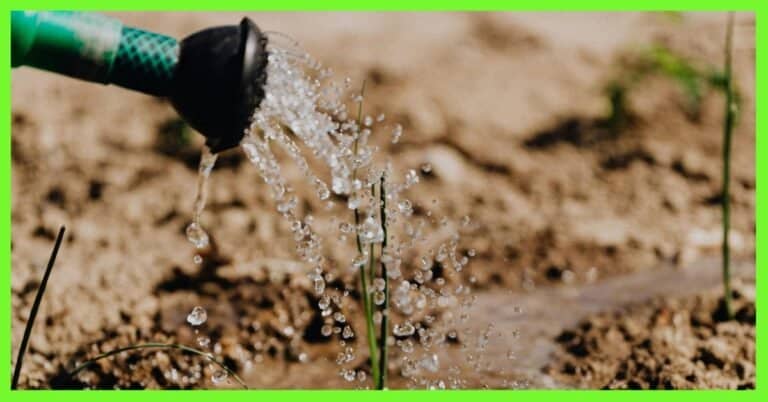
- Method: Drip irrigation or watering cans directed at the soil (not leaves) reduce water loss and prevent dust from sticking to wet leaves.
Proper watering ensures plants remain hydrated and resilient during the dry season.
First Aid for Damaged Plants
Even with precautions, some plants may suffer from Harmattan stress. Quick first aid can save them:
- Pruning damaged leaves: Remove burnt or dusty leaves to reduce stress and encourage new growth.
- Foliar sprays: Light misting with water or diluted liquid fertiliser can help plants recover from drought stress.
- Soil enrichment: Add compost or organic matter to improve water retention and nutrient supply.
- Temporary shade: Move potted plants to shaded areas or create a temporary cover to protect from wind and sun.
Prompt intervention can revive struggling plants and prevent crop loss.
Conclusion
Harmattan gardening requires proactive measures.
By understanding how the dry season affects plants and implementing strategies such as mulching, building wind barriers, maintaining a careful watering schedule, and applying first aid to stressed crops, you can ensure a healthy and productive vegetable garden.
With the right crops and a little extra care, your garden can not only survive but thrive.
“What strategies do you use in your garden to protect vegetables from Harmattan winds and dry heat?”