How to Grow Sumo Mandarin in Nigeria: Planting & Care Guide
Nigeria is blessed with vast fertile land and favourable climatic conditions suitable for a wide range of fruit crops.
Among these fruits, the Sumo mandarin (also called “dekopon” in Japan, where it originated) is gradually gaining recognition in Nigeria because of its sweet taste, seedless nature, and large fruit size.
For farmers and gardeners looking to diversify into citrus farming, planting Sumo mandarin can be a profitable venture when done correctly.
This article provides a comprehensive guide on how to successfully cultivate Sumo mandarin in Nigeria.
Description of the Plant
The Sumo mandarin (Citrus reticulata × Citrus sinensis hybrid) is a unique citrus variety known for its large size, easy-to-peel skin, and seedless nature.
It is often described as a cross between an orange and a mandarin.
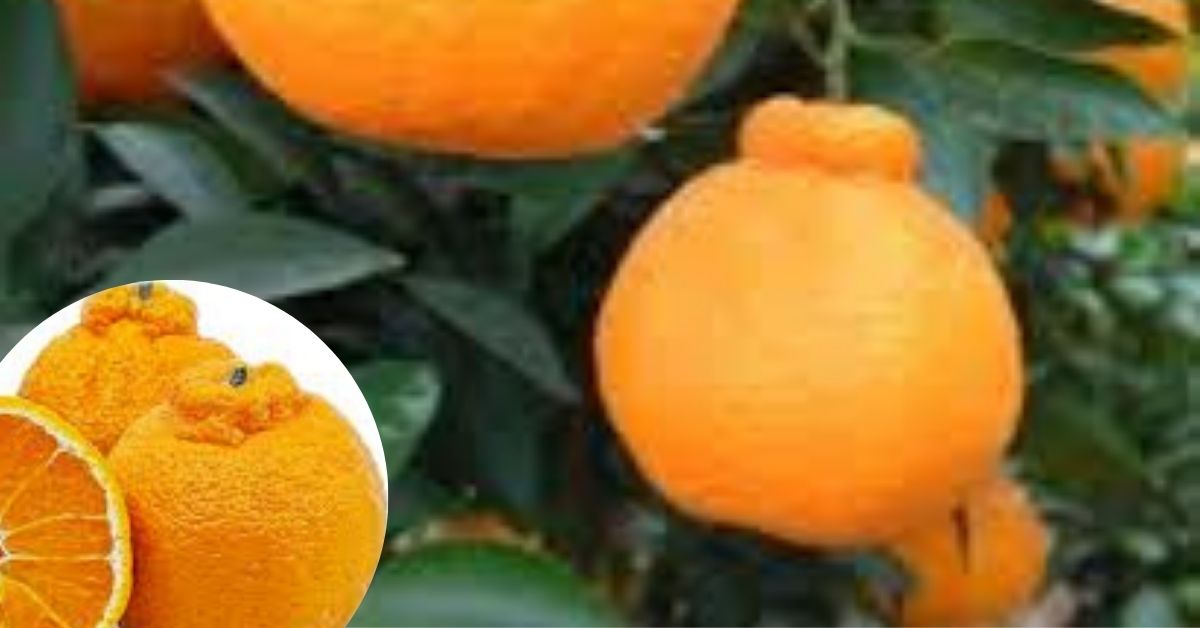
The fruit is oval to slightly round in shape with a distinctive “top knot” or bump at the stem end.
The rind of the Sumo mandarin is thick, yet very soft, which makes it easy to peel by hand.

Inside, the fruit has juicy, sweet, and tangy flesh that is seedless and very pleasant to eat.
A mature tree can grow up to 12–15 feet in height and spread wide if not pruned.
The leaves are evergreen, glossy, and aromatic when crushed, like other citrus plants.
Sumo mandarin is prized in the international market for its unique qualities, making it an attractive fruit crop for Nigerian farmers who want to supply both domestic and export markets.
Planting Season for Sumo Mandarin in Nigeria
Nigeria’s tropical climate provides good conditions for citrus production.
The best time to plant Sumo mandarin is during the rainy season, usually between April and June, depending on the region.
This ensures that the young plants receive enough natural water to establish strong root systems before the dry season begins.
For farmers in areas with irrigation facilities, planting can also be done in the early dry season, provided that regular watering is maintained.
Planting should be avoided during extreme dry months or in periods of flooding.
Planting the Sumo Mandarin
Step 1: Choose a Location
The first step in establishing a Sumo mandarin orchard is choosing the right location.
Select an area with:
- Well-drained sandy loam soil rich in organic matter.
- Soil pH between 5.5 and 7.0.
- Adequate sunlight exposure is required, as citrus trees require full sun for at least 6–8 hours daily.
- Good air circulation to reduce disease risk.
Avoid waterlogged areas or heavy clay soils, as citrus roots are very sensitive to excessive water.
Step 2: Land Clearing and Preparation
Clear the land of bushes, weeds, and unwanted trees.
Plough or till the soil to loosen it for proper aeration and root penetration.
Construct drainage channels in water-prone areas to prevent flooding.
Dig planting holes of 60 cm × 60 cm × 60 cm, and mix the topsoil with well-rotted manure or compost before filling back.
Spacing should be about 5–6 meters between trees to allow enough room for growth and orchard management.
Step 3: Means of Propagation
Sumo mandarin can be propagated by two main methods:
- Seeds: Although possible, seed propagation may not produce true-to-type plants since hybrids can lose their parent qualities.
- Grafting or budding: This is the recommended method, where a healthy bud from a true Sumo mandarin is grafted onto a hardy rootstock like rough lemon or trifoliate orange. This ensures disease resistance, uniformity, and better yield.
For commercial farming, grafted seedlings are preferable.
However, for small-scale or home gardens, planting from seeds can still be practised.
Visit Floratalk Hub to find Sumo Mandarin seeds or seedlings from agro suppliers near you.
Step 4 – How to Plant Sumo Mandarin from Seed.
If you choose to grow Sumo mandarin from seeds, follow these steps:
- Extract seeds from a fresh fruit and wash off the pulp.
- Dry the seeds slightly in the shade for 24 hours.
- Sow the seeds in nursery bags or seedbeds filled with a soil-sand-compost mixture.
- Water regularly and protect from direct scorching sun.
- Germination usually occurs in 2–3 weeks.
- When seedlings grow to about 20–30 cm in height and have 4–6 true leaves, transplant them to the prepared orchard.
Seedlings should be planted in the centre of the hole at the same depth they were in the nursery.
Firm the soil around the base and water immediately.
Step 5: Watering
Water is very important for the establishment of Sumo mandarin trees.
During the first year, water the young plants at least 2–3 times per week during the dry season.
Mature trees require deep watering once every 7–10 days, depending on rainfall and soil type.
Avoid waterlogging, as this can cause root rot.
Mulching around the base with dry grass or leaves helps to retain soil moisture and suppress weeds.
Step 6: Apply Manure
Sumo mandarin trees are heavy feeders and require a regular nutrient supply.
Apply organic manure or compost into the planting hole before transplanting.
Afterwards, apply farmyard manure twice a year (before and after the rainy season).
For inorganic fertilisers, use NPK in the early stages of growth and later switch to formulations with higher potassium to encourage fruiting.
Fertilisers should be applied in a circular band around the tree base, about 30–60 cm away from the trunk.
Maturity and Harvest of Sumo Mandarin
Sumo mandarin trees grown from grafted seedlings usually begin to bear fruit in 3–4 years, while those from seeds may take 5–7 years.
The fruits mature about 8–10 months after flowering.
Mature fruits turn bright orange and are slightly soft to the touch.
Harvest by hand-picking or using clippers to cut the fruit with the stalk still attached.
Avoid pulling fruits roughly to prevent damage to the branches.
One healthy tree can produce dozens of large fruits each season.
With proper care, Sumo mandarin trees can remain productive for 20–30 years.
Pests and Diseases of Sumo Mandarin
Like other citrus crops, Sumo mandarin is prone to several pests and diseases.
Common ones include:
- Citrus leaf miners are larvae that cause curling and distortion of leaves.
- Aphids suck sap from tender shoots and transmit viral diseases.
- Fruit flies bore into fruits, making them rot.
- Citrus canker are bacterial disease causing lesions on leaves, stems, and fruits.
- Root rot (Phytophthora) is a fungal infection due to waterlogging.
- Citrus greening (Huanglongbing) is a serious bacterial disease spread by psyllid insects, leading to yellowing of leaves and stunted growth.
Pest and Disease Control for Sumo Mandarin
Effective pest and disease management involves:
- Practice good orchard sanitation by removing fallen leaves, weeds, and infected plant parts.
- Use resistant rootstocks and grafting onto disease-tolerant rootstocks.
- Regularly monitor and inspect trees weekly for early detection of pests and diseases.
- Biological control encourages natural predators like ladybirds against aphids.
- Chemical control works by applying recommended insecticides against fruit flies and aphids, and fungicides for fungal infections, but follow dosage instructions carefully.
- Pruning helps to remove dead or overcrowded branches to improve air circulation.
- Proper drainage is needed to reduce fungal root rot problems.
In summary, planting Sumo mandarin in Nigeria can be a rewarding agricultural venture when done with careful planning and management.
By selecting the right location, preparing the land properly, using quality planting material, and applying good orchard practices, farmers can enjoy high yields of sweet, seedless fruits that are in high demand both locally and internationally.
With proper pest and disease control, Sumo mandarin trees can thrive in Nigeria’s tropical climate and provide farmers with long-term profits while also contributing to the country’s food security and export potential.
Hope this article was helpful.