
How to Create a Balcony Garden in Nigerian Cities
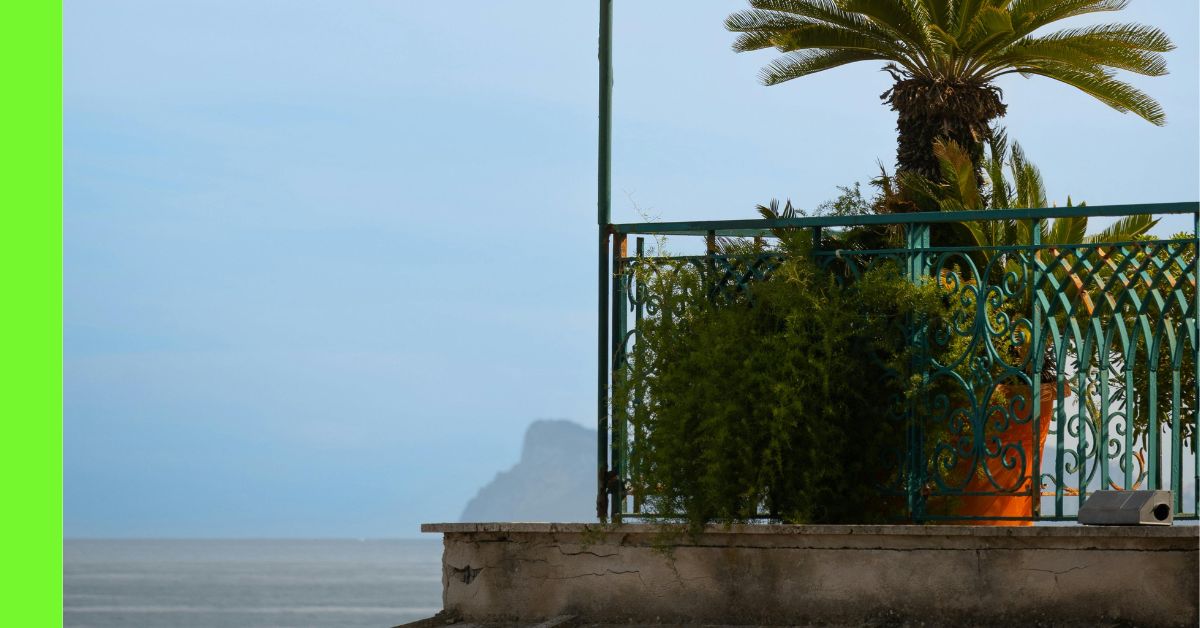
Nigerian cities like Port Harcourt, Asaba, Lagos, and Abuja are dense, hot, and full of concrete, conditions that make growing food and plants feel impossible for many apartment dwellers.
Yet balconies and small verandas are untapped pockets of green that can supply fresh herbs, salad greens, colour and a calm microclimate.
Urban farming is growing as a practical response to food security, rising food costs and the desire for healthier, greener homes.

Practical, low-cost balcony gardens are already flourishing across Nigerian cities and are easy to set up with some planning.
Choosing crops for balconies (vegetables, herbs, flowers)
Pick crops that match your light, space and time.
For hot, sunny balconies, choose sun-loving vegetables and herbs; for shaded spots, pick low-light-tolerant plants.
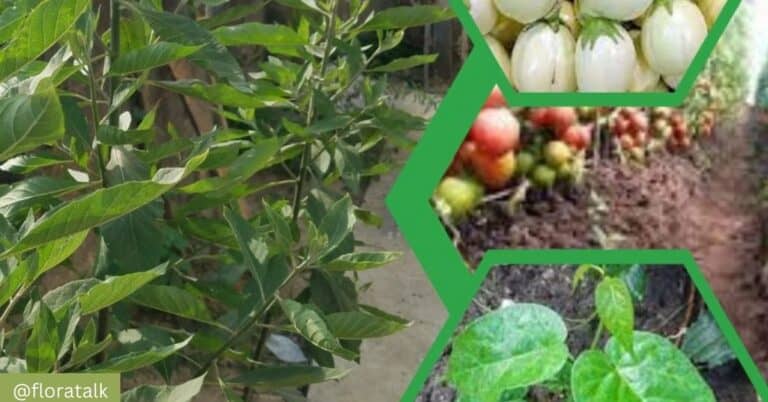
- Vegetables: Lettuce, spring onions, tomatoes (dwarf varieties), peppers and garden egg. These are compact and productive in containers.
- Herbs: Mint, thyme, curry leaf, scent leaf. Herbs take little space and are high-value for cooking.
- Edible roots & climbers: small ginger/turmeric (in deeper pots) and vertical cucumbers or beans trained on a trellis.
- Flowers & ornamentals: marigolds, petunias, vinca and sun-loving geraniums add colour and help deter some pests.
Match variety size (look for “patio”, “dwarf” or “container” cultivars) and plan for succession planting, harvest leaves continuously so pots stay productive.
Shade management using local materials
Many city balconies suffer from either too much sun (midday heat) or too much shade (surrounded by taller buildings).
You can manage light cheaply using local materials:
- Shade screens and cloth: use shade netting (30–50% depending on need) or repurpose old mosquito nets or jute sacks to soften harsh sun.
- Bamboo and reed mats: tie a bamboo roll-up mat to the railing to provide afternoon shade; it’s breathable and affordable.
- Pallets and trellis: vertical trellises or repurposed wooden pallets create dappled shade and let climbing plants filter sunlight.
- Reflective paint / white surfaces: painting walls or the underside of overhangs, white reflects heat away from pots and reduces radiant heat stress.
Assess the balcony for morning vs. afternoon sun for a week before planting; morning sun is gentler and preferred by many vegetables.
Practical, local solutions keep costs low and are easy to maintain.
Water-saving techniques (mulch, bottle drip)
Water is often the most limiting factor for balcony gardens in cities.
Conserve water and reduce watering frequency using simple tactics:
- Mulch: a 2–3 cm layer of dry organic mulch (coconut coir dust, shredded dry leaves, wood chips) reduces evaporation and keeps soil cooler.
- Self-watering bottles: convert plastic bottles into slow-drip reservoirs by burying them neck-down beside roots or piercing small holes and suspending them above pots, they slowly release water into the soil. DIY bottle drips are cheap and effective for short absences.
- Capillary mats & self-watering pots: line tray under pots with a capillary mat or use wicking/sock-style self-watering inserts so plants draw water as needed.
- Drip micro-irrigation: low-cost dripper kits (available online/markets) or simple gravity-fed drip from a water tank can supply steady moisture with minimal waste. For high-efficiency tech, local startups and hydroponic systems show how to slash water use dramatically.
Combining mulch and slow-release watering reduces watering frequency and improves plant resilience to heat.
Best containers and soil mixes for balconies
Container choice affects root health, water needs and safety. Use sturdy, well-draining containers and avoid overly heavy setups on upper-floor balconies.
- Containers: plastic pots, large nursery bags, half-barrels, and lightweight fibreglass or fabric grow bags are good options. Ensure adequate drainage holes. For railing-mounted planters, use secure brackets and never overload them.
- Size: for leafy greens, 10–15 litre pots are fine; fruiting crops (tomatoes, peppers) need 15–25 litres; for root crops, use deeper containers.
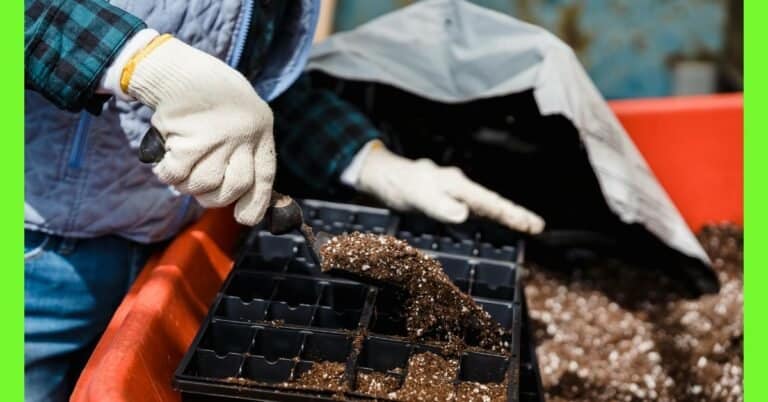
- Soil mix: a light, well-draining mix improves aeration and root development. A simple mix: 40% topsoil or loam, 30% compost, 20% coconut coir or sawdust (aged) and 10% sharp sand or perlite (for drainage). Enrich with slow-release organic fertiliser or homemade compost tea.
- Fertility: feed regularly with balanced organic fertiliser or diluted fish emulsion/compost tea for potted plants, since nutrients leach faster in containers. Rotate crops and top up compost between plantings.
Lightweight mixes reduce load on structures and improve watering responsiveness, important for safety and plant health.
Pest control for high-rise gardens
Balconies are not pest-free, but problems are easier to manage on a small scale.
- Prevention: Start with clean soil and healthy seedlings. Quarantine new plants briefly. Encourage beneficials (ladybirds, lacewings) by growing flowering companions (marigolds, cosmos).
- Cultural controls: remove yellowing leaves, avoid overhead watering to reduce fungal problems, and rotate crops to prevent pest buildup.
- Safe treatments: use neem oil sprays, diluted soap solutions (potassium soap), or garlic/chilli sprays for common aphids and mites. For caterpillars, handpick or use Bacillus thuringiensis (Bt). Always test sprays on one leaf first.
- Physical barriers: netting, fine mesh covers, or floating covers can protect young seedlings from birds and heavy winds.
Monitor plants weekly; early action prevents small issues from becoming infestations.
Beginner mistakes to avoid
New balcony gardeners often make a few repeatable mistakes; avoid these to save time and money:
- Overpotting or underpotting: too-small pots limit roots; too-large, heavy pots cause overwatering and weight problems. Match pot size to crop.
- Poor drainage: failing to create drainage or using compacted soil leads to root rot. Always ensure drainage holes and a light mix.
- Plant crowding: stuffing too many plants in one pot causes competition and disease; follow the spacing on seed packets.
- Ignoring safety: don’t overload railings or balconies, check weight limits and secure planters.
- Waiting for perfect conditions: start small, learn by doing, and adjust—most balcony gardens succeed through iterative learning.
Real-life example inspiration
Facing rising food prices and transport-related increases, urban gardens are becoming a pivotal solution in Nigeria.
In Lagos, resident Ronke Odeneye has converted her home’s limited space into a thriving “farm-to-plate” setup, growing vegetables, herbs and fruits in reused containers and compost made from kitchen waste.
Her practice demonstrates how city-dwellers can enhance food security, reuse organic waste and reduce their carbon footprint all from a small plot.
Her garden supplies fresh produce, promotes healthier living and offers an example of how individual actions,
From planting a few seeds to composting banana peels, can support sustainability and climate resilience in dense urban environments. Read the full story at Climateaction Africa.
Final tips
Start with one or two containers and a handful of herbs or salad greens.
Keep a small notebook of watering and feeding times, learn from neighbours or online gardening communities, and scale up gradually.
Balcony gardening in Nigerian cities is low-cost, high-reward; it gives food security, mental calm, and a cooler, greener home.
With local materials, simple water-saving hacks and the right crops, even the smallest balcony can become a thriving mini-farm.
Have you tried growing food on a balcony?


One Comment